


Key Takeaways
- A massage for mental health supports the body’s natural ability to reduce stress hormones and encourage calm, helping to address both physical and emotional strain.
- Modern innovations such as massage chairs allow individuals to create effective relaxation therapy at home, transforming stress relief into a daily ritual.
- Long-term use of a massage chair recliner could help regulate sleep, reduce irritability, and promote sustained emotional balance, making it a valuable addition to holistic self-care.
Part 1: Introduction
In the relentless pace of modern life, stress has become a near-universal experience. Deadlines, family responsibilities, and the constant pull of digital distractions mean that our bodies and minds are rarely given the chance to rest. Over time, chronic stress does more than make a person feel worn out; it begins to affect sleep quality, relationships, and even long-term health. Elevated cortisol, the hormone most closely linked with stress, disrupts mood regulation and contributes to feelings of anxiety. The cycle of fatigue, tension, and mental strain can quickly become overwhelming if left unaddressed.
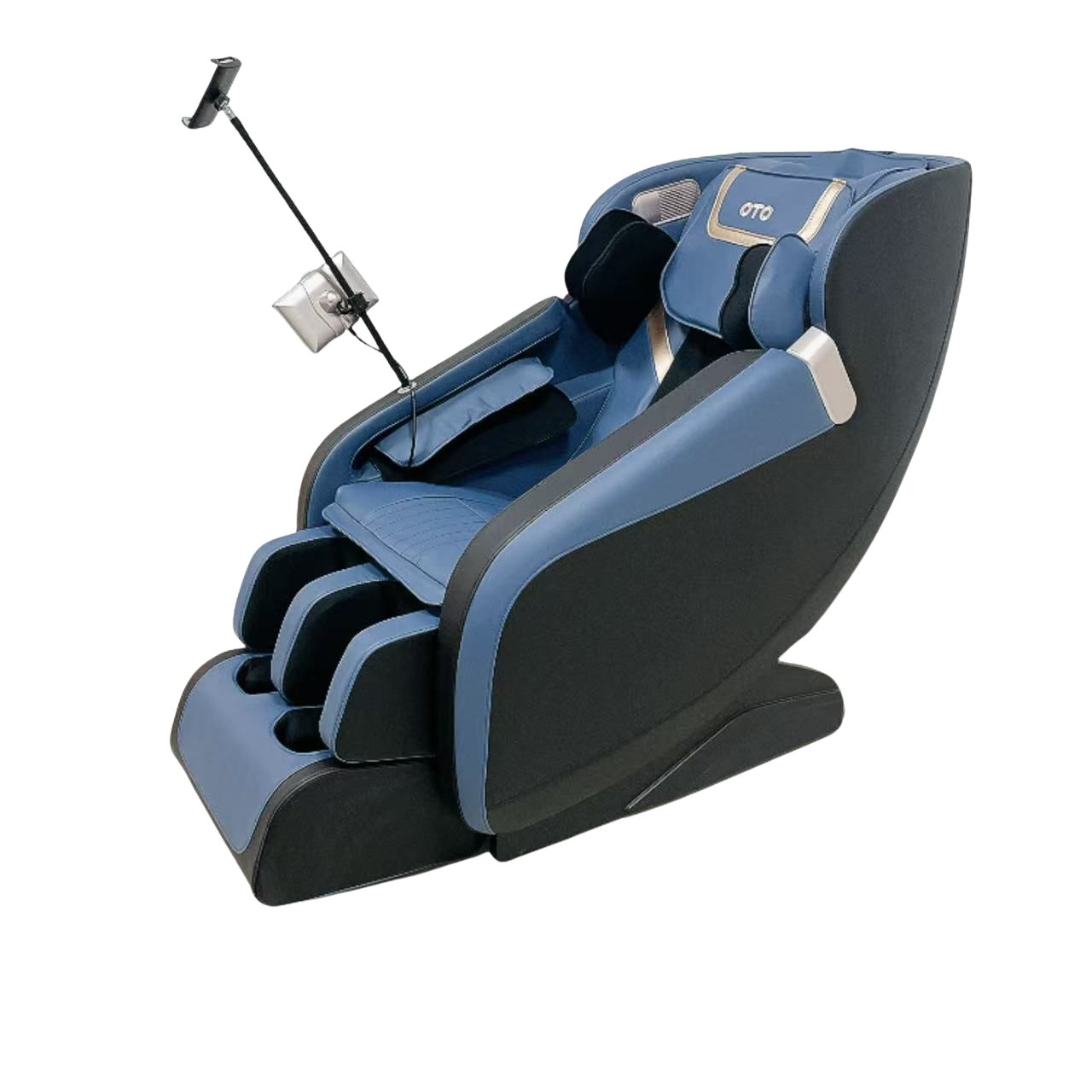
Against this backdrop, many are searching for accessible solutions that can support both the body and mind. While professional therapy sessions and wellness retreats play their part, there is growing interest in technology-driven tools that bring the benefits of treatment into the home, such as massage chairs. Far from being the simple vibrating seats of the past, today’s models are highly sophisticated, combining Shiatsu techniques, heat, zero-gravity positioning, and targeted programmes that replicate the skill of a professionally trained therapist. This allows users to enjoy the benefits of relaxation therapy at home at their own convenience.
More importantly, research suggests that regular use of massage can influence not only physical relaxation but also psychological wellbeing. A massage for mental health is no longer a luxury reserved for spa visits; it can now be part of a daily routine at home. This article explores the science, features, and real-world impact of massage chair therapy, examining how it contributes to emotional balance, resilience, and overall quality of life.
Part 2: How Do Massage Chairs Actually Reduce Stress?

2.1. How Does Massage Trigger Relaxation in the Body and Mind?
The foundation of any massage for mental health lies in its ability to influence both physical systems and psychological processes. When the body is placed under stress, the sympathetic nervous system becomes dominant, preparing us for action by raising heart rate, tensing muscles, and increasing cortisol levels. While useful in short bursts, prolonged activation leads to fatigue, irritability, and mental strain. Massage works by counteracting this response, activating the parasympathetic nervous system and signalling the body to slow down, recover, and restore balance.
During a massage session, pressure on the muscles and connective tissues stimulates mechanoreceptors beneath the skin. These nerve endings send signals to the brain that promote relaxation, reduce pain perception, and encourage the release of neurotransmitters linked with wellbeing. A massage chair replicates these effects by combining kneading, rolling, and vibration in a way that feels remarkably close to the human touch. The impact is not only physical but also deeply psychological, making massage for mental health a reliable method of stress management.
Key physiological mechanisms include:
- Reduction of cortisol levels: Massage promotes measurable ways to reduce cortisol, decreasing the biochemical markers of stress and allowing the nervous system to stabilise.
- Boosting serotonin and dopamine: These “feel-good” neurotransmitters improve mood, enhance clarity, and support long-term emotional balance.
- Muscle relaxation: By loosening tightness in the body, massage provides direct anxiety and muscle tension relief, reducing the physical cues that trigger mental unrest.
- Improved circulation: Enhanced blood flow brings oxygen and nutrients to fatigued tissues, easing strain and promoting sharper focus.
For many, a massage for mental health provides a sense of control and calm in an unpredictable world. Over time, the cumulative effect of regular sessions strengthens the body’s resilience, creating a natural buffer against daily stressors.
2.2. What Specific Features in Massage Chairs Target Stress Relief?
The appeal of a massage chair lies in its ability to replicate, and in some cases enhance, the techniques of professional therapy. Unlike a one-time session in a spa, a chair is designed to provide consistent access to stress relief in the comfort of your own home. For those who are looking to integrate massage for mental health into their daily lives, the specific features built into modern chairs play a critical role in helping them achieve that.
Each element of design targets both the body’s physical needs and the mind’s demand for calm. The result is not only a soothing experience in the moment, but also a cumulative improvement in resilience against everyday stress.
- Shiatsu and kneading massage: By applying rhythmic, deep pressure, the chair addresses knots and tight muscles that often accumulate during long hours of work. These movements replicate the intuitive touch of skilled hands, reinforcing the benefits of massage for mental health.
- Heat therapy: Gentle warmth improves circulation and helps muscles release tension more quickly. When combined with massage, heat deepens relaxation and enhances the sensation of safety, which is essential for stress recovery.
- Zero-gravity positioning: By reclining the body and elevating the legs above the heart, spinal pressure is relieved and blood flow is optimised. This position, which is one of the key features in a massage chair recliner, creates a feeling of weightlessness that quiets both body and mind.
- Rolling and vibration functions: Subtle movements across the back and shoulders stimulate nerve endings and improve circulation, gradually easing stiffness and mental fatigue.
- Targeted leg and foot massage: A massage chair with a leg massager provides focused relief for tired calves and feet, reducing the cumulative strain of standing or walking throughout the day.
These features work in harmony to create a holistic experience for users, turning each session into a practical yet restorative form of massage for mental health.
Part 3: Can Massage Chairs Really Improve Mental Health?

3.1. What Does Research Say About Massage and Mental Wellbeing?
Over the past decade, scientific studies have increasingly recognised the therapeutic impact of massage on mental health. While the immediate sense of relaxation is evident to anyone who has experienced it, research confirms that the effects go far deeper, influencing hormone regulation, mood balance, and long-term emotional resilience. This evidence strengthens the view that a regular massage for mental health is not simply indulgence but a valuable self-care practice with measurable outcomes.
Clinical studies have shown that massage for mental health could reduce cortisol levels by as much as 30 percent, directly addressing the body’s primary stress hormone. At the same time, serotonin and dopamine levels rise, creating a stabilising effect that improves mood and overall outlook. These biochemical shifts demonstrate why consistent use of a massage chair can provide more than temporary relief; it creates a physiological environment that supports lasting calm.
The findings also highlight the broader benefits of integrating massage into everyday life:
- Reduced anxiety and depression: Regular massage sessions have been linked to lower symptoms of anxiety and improved mood balance, supporting emotional stability.
- Improved sleep quality: Massage helps to regulate circadian rhythms and deepen sleep, breaking the cycle of fatigue and stress. A nightly routine with a massage chair recliner, for instance, could help users get a better night’s sleep.
- Lowered cortisol and elevated serotonin: Scientific evidence confirms these hormonal shifts, offering concrete support for massage for mental health as part of holistic wellness.
- Enhanced mood and cognitive function: Massage has been shown to increase alertness, boost concentration, and improve resilience to daily challenges.
Together, these outcomes suggest that the consistent use of a back massager chair or full-body massage chair is not only a comfort but a research-supported approach to emotional wellbeing.
3.2. How Can Incorporating Massage Chairs into Your Routine Boost Your Mood Long-Term?
The true strength of a massage for mental health can be found not only in the immediate sense of relief but in the way regular practice transforms overall wellbeing over time. When used consistently, a massage chair evolves into a supportive tool that helps condition the nervous system, regulate mood, and create a sense of stability even in the face of physically and emotionally demanding everyday circumstances.
Building a ritual around massage for mental health creates predictability in a world where stress often feels uncontrollable. For many, the anticipation of a session itself signals the body to relax in eager anticipation. Over weeks and months, this repeated conditioning strengthens resilience, making it easier to face daily pressures without becoming overwhelmed.
Some of the long-term benefits include:
- Consistency builds resilience: The nervous system gradually learns to enter a calmer state more quickly, reducing the intensity of stress reactions. This makes massage for mental health a proactive strategy rather than a reactive measure.
- Creation of mindful pauses: Intentionally making time for a massage break gives you an opportunity to take your mind off constant activity and give yourself a much-needed respite from the hustle and bustle of everyday life.
- Support for better sleep patterns: Evening use of a massage chair recliner could help regulate rest cycles, improving both the quality and duration of sleep.
- Sustained emotional balance: By providing ongoing anxiety and muscle tension relief, massage reduces irritability and supports healthier interpersonal interactions.
When paired with complementary practices such as breathing techniques, meditation, or gentle stretching, the effects of massage for mental health are further amplified. Over time, tools like a back massager or a massage chair recliner become part of a broader self-care framework, offering reliable reinforcement of emotional stability. Ultimately, regular sessions integrate seamlessly into lifestyle, creating a foundation of calm that supports long-term mental wellbeing.
Frequently Asked Questions
How often should I use a massage chair to reduce stress effectively?
Most people benefit from using a massage chair three to five times per week, with each session lasting between 15 and 30 minutes. This frequency provides enough regular stimulation to relax muscles, regulate breathing, and support improved circulation.
Over time, consistency becomes just as important as duration. By creating a predictable routine, the body and mind learn to enter a calmer state more quickly, making massage for mental health even more effective in managing daily stress.
Are massage chairs safe for people with anxiety or other mental health conditions?
Massage chairs are generally considered safe for most users, including those who live with mild anxiety or stress-related conditions. They provide non-invasive support that complements existing wellness practices and can be adapted in intensity to suit individual comfort levels.
That said, anyone with more complex medical or psychological conditions should consult a healthcare professional before starting frequent use. When applied thoughtfully, massage for mental health can be an effective addition to a balanced self-care plan.
Can a massage chair replace professional therapy for stress or mental health issues?
While a massage chair offers significant benefits, it is not intended to replace professional care such as counselling, therapy, or prescribed treatment. Instead, it should be viewed as an accessible tool that works alongside other approaches to improve wellbeing.
Massage for your mental health is well and good, providing immediate relief from physical and emotional strain. However, lasting improvement often requires a combination of methods. Together, professional guidance and regular massage can create a more comprehensive path to resilience.
Stress may be a constant feature of modern life, but it does not have to define your overall wellbeing. The research is clear—massage for mental health has measurable effects on both the body and the mind, from lowering cortisol to improving sleep patterns and encouraging a calmer emotional state. By replicating professional techniques through features such as heat therapy, zero-gravity reclining, and targeted programmes, a massage chair is designed to deliver convenience without compromising on effectiveness.
More importantly, what sets massage chairs apart is their accessibility; being able to recreate the experience of therapy at the comfort and convenience of your home, creating opportunities for daily renewal and long-term resilience. A short session of massage for mental health could provide immediate relaxation, while regular use builds habits that reinforce emotional balance and physical recovery. Whether it is through a back massager chair or a full-body massage chair, you can tailor your routines to fit your personal needs.
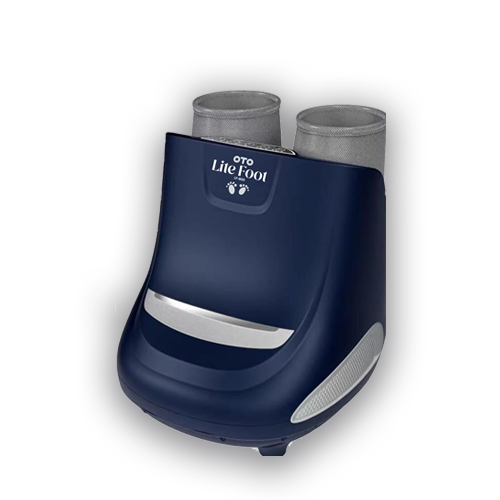
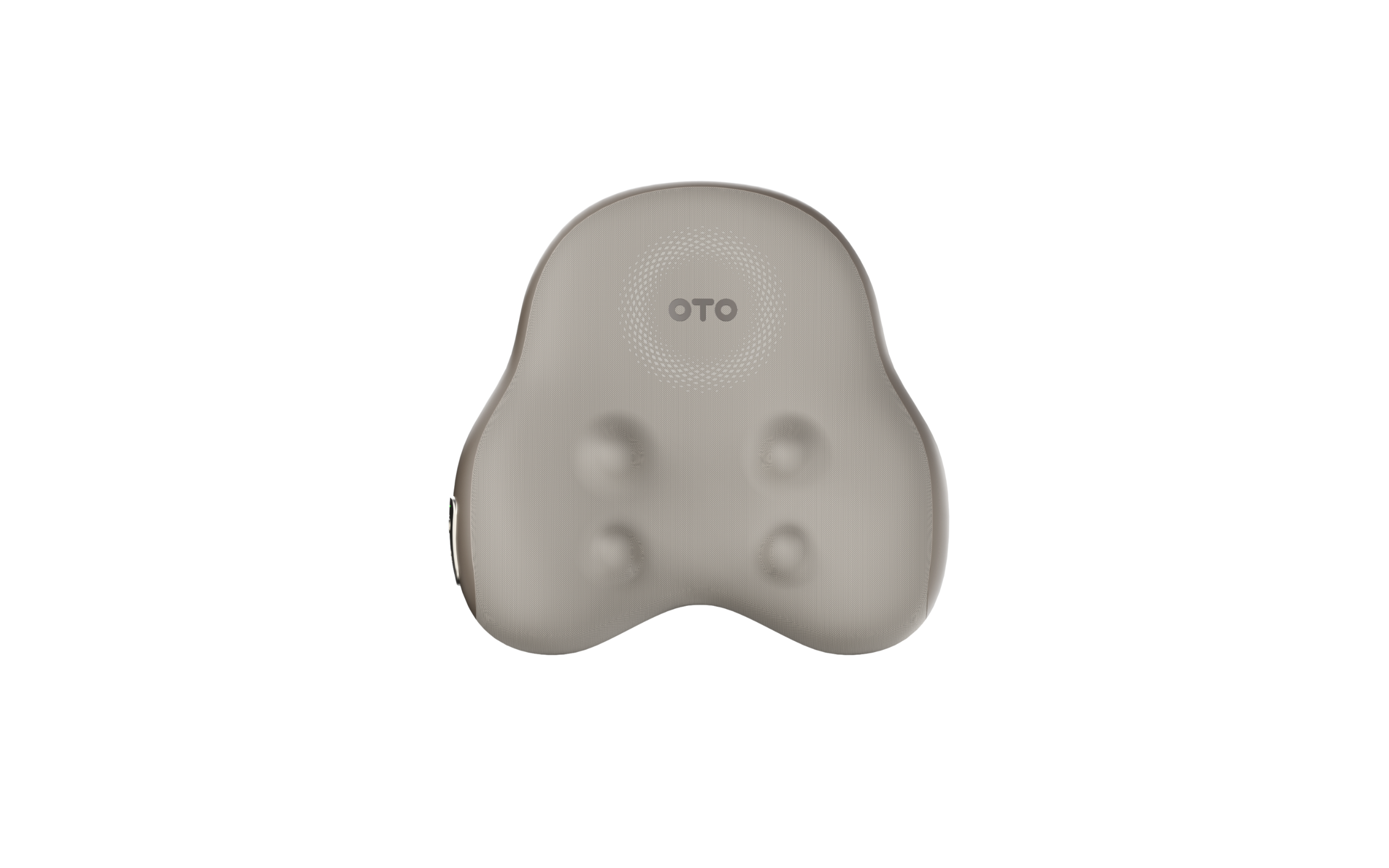
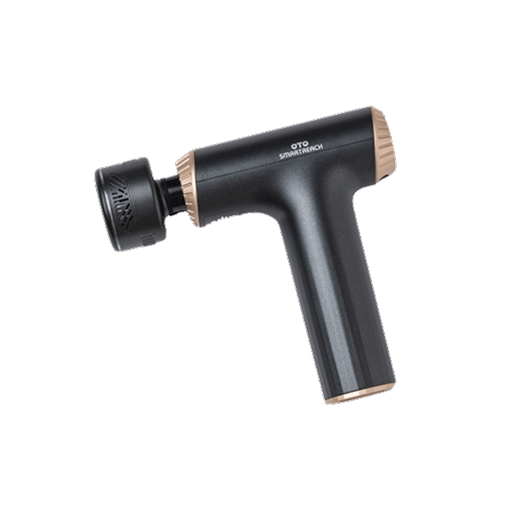
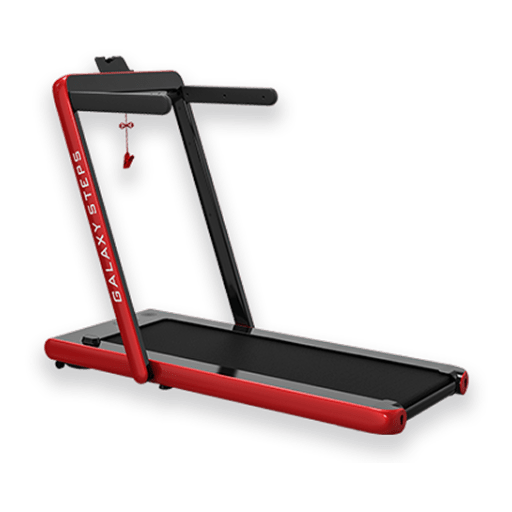
As modern lifestyles grow increasingly hectic, so too does the need to take better care of our minds and bodies. This is why we at OTO Wellness are committed to making stress relief a more attainable goal for everyone. From massage chairs to fitness equipment, our products combine innovation with practicality, making it possible for you to incorporate long-overdue wellness routines into your everyday life.
Shop now and give yourself a break that you deserve.






 Login with Google